Botanical Extract
Ginger
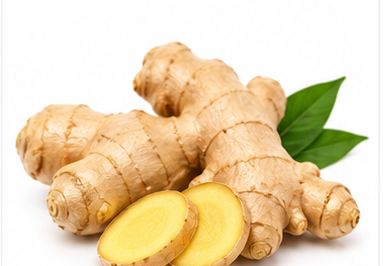
Zingiber officinale
Ginger rhizome extract is valued for two compound families — gingerols (pungent, dominant in fresh root) and shogaols (form as the root dries, more pungent still), plus zingiberene, which carries the warm, woody aroma. Extraction method genuinely changes the product here: CO2 extraction favors the aromatic fraction, solvent extraction pulls a broader-spectrum oleoresin, and steam distillation yields the pure essential oil.
Specification overview
Confirmed details below; anything marked "on request" is available once we know your target application.
Botanical
- Latin Name
- Zingiber officinale
- Plant Part Used
- Rhizome (root)
- Marker Compounds
- Zingiberene, Gingerols, Shogaols
Forms & Grades
- Available Forms
- Essential Oil, CO2 Extract, Solvent Extract, Oleoresin, Ginger Extract
- Purity / Grade
- 5% / 10% / 20% / 40% available
- Appearance, Shelf Life, Storage
- Available on request
Sourcing
- Packaging
- Available on request
- Regulatory Documentation
- COA & spec sheet on request
- Export
- Available — confirm destination with our team
Where it's used
Typical industries sourcing this ingredient.
Food
Beverages
Nutraceuticals
Pharmaceuticals
- Nutraceuticals — digestive comfort and nausea-relief, the largest use category.
- Food & beverage — ginger ale, confectionery, and spice blends use the oleoresin or CO2 oil for consistent flavor.
Frequently asked.
Which ginger form should I use?
CO2 oil for a clean aromatic profile with no residual solvent; solvent extract for the broadest-spectrum oleoresin at lower cost; essential oil for aroma only, no pungency compounds.
Do you provide a Certificate of Analysis?
Yes, COAs are available per batch — this will be provided alongside your order.
Get in touch
Ready to source Ginger?
Send us your requirement and our team will follow up with specifications, pricing, and lead times.